October 5, 2026
Trees are an integral part of any property, offering beauty, shade, and ecological benefits. However, like any living organism, they require ongoing care and attention to thrive safely. Professional tree services play a crucial role in maintaining the health, safety, and aesthetic appeal of your landscape. Neglecting routine care can quickly lead to tree diseases, structural damage, and serious hazards around your home. Exploring the primary indicators that signal your property requires expert care is essential to protecting your landscape investment for many years into the future.
Many homeowners often overlook subtle signs of decline, assuming their foliage will naturally recover from seasonal stress or weather impact. However, untreated structural weaknesses and hidden internal decay can progress rapidly, turning manageable maintenance issues into urgent emergencies. By staying proactive and learning what to look for, you can address potential issues before they cause costly property damage or compromise safety, ensuring peace of mind and long-lasting beauty for your outdoor living spaces.
Identifying Visible Signs of Disease
Disease is one of the most common issues affecting trees, and several indicators signal its presence early on. Discolored leaves, whether turning yellow or brown, often point toward underlying nutrient deficiencies or active fungal infections. Fungal growth on trunks or branches, such as mushrooms and mold, suggests internal decay that rapidly weakens the entire structural integrity of the tree. Dead or wilting branches present significant physical hazards, as they can break and fall without warning onto surrounding structures.
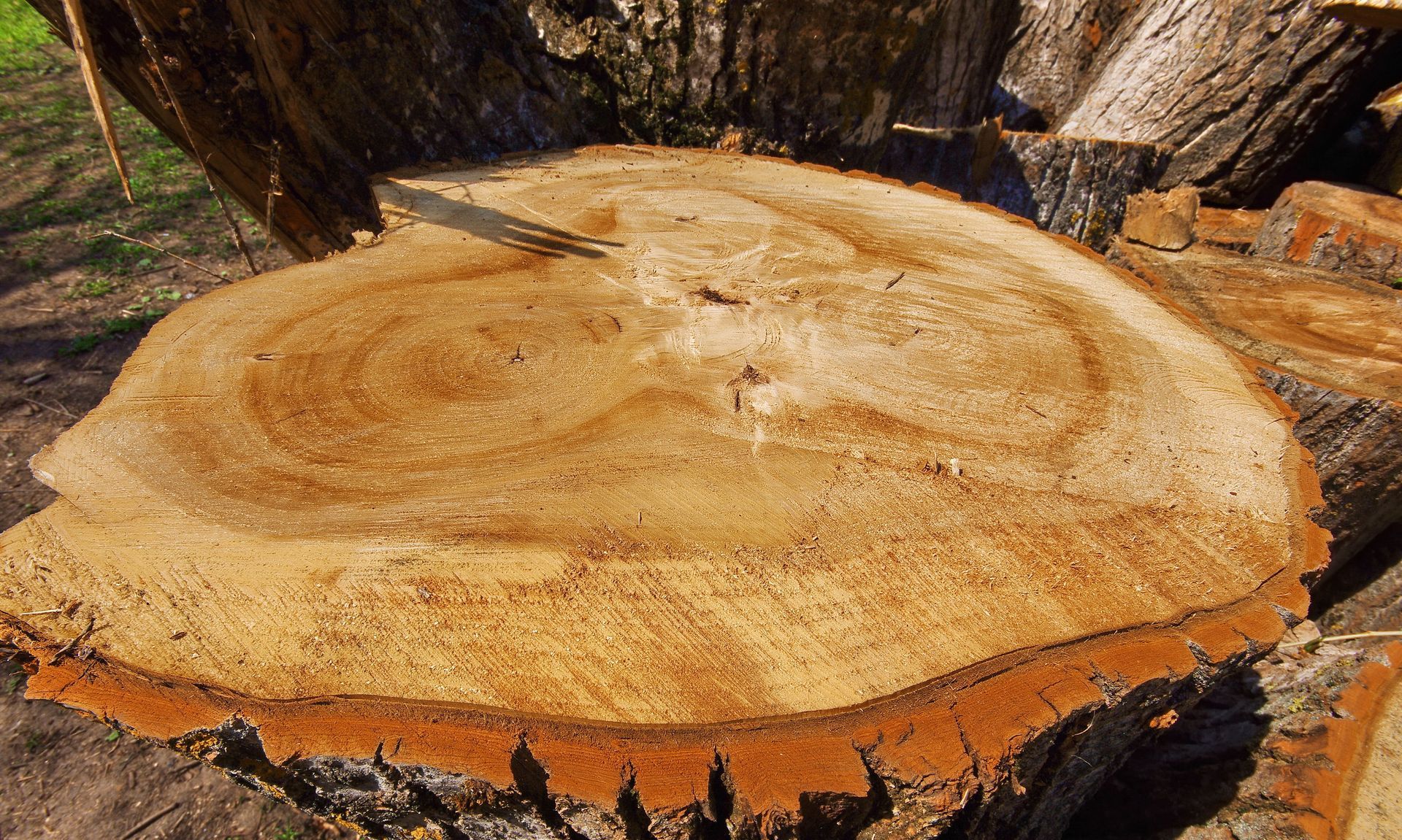
Addressing disease promptly is crucial because untreated conditions easily spread to nearby healthy foliage across your yard. Implementing a targeted treatment plan based on a professional diagnosis can mitigate long-term damage and help restore overall health. Experienced technicians have the specialized tools and training that ensure treatments are safe and effective while minimizing environmental impact. According to the University of Maryland Extension, you should consider tree removal if one-third of the tree's interior is hollow or rotten.
Regular property inspections ensure subtle symptoms like abnormal leaf drop or trunk cankers are caught before becoming critical safety risks. A certified professional can distinguish between routine seasonal shedding and stress caused by pathogens like blight or anthracnose. Early intervention from local tree services saves damaged trees, protects neighboring plant life, and prevents costly emergency removals down the road.
Assessing Physical Damage From Storms
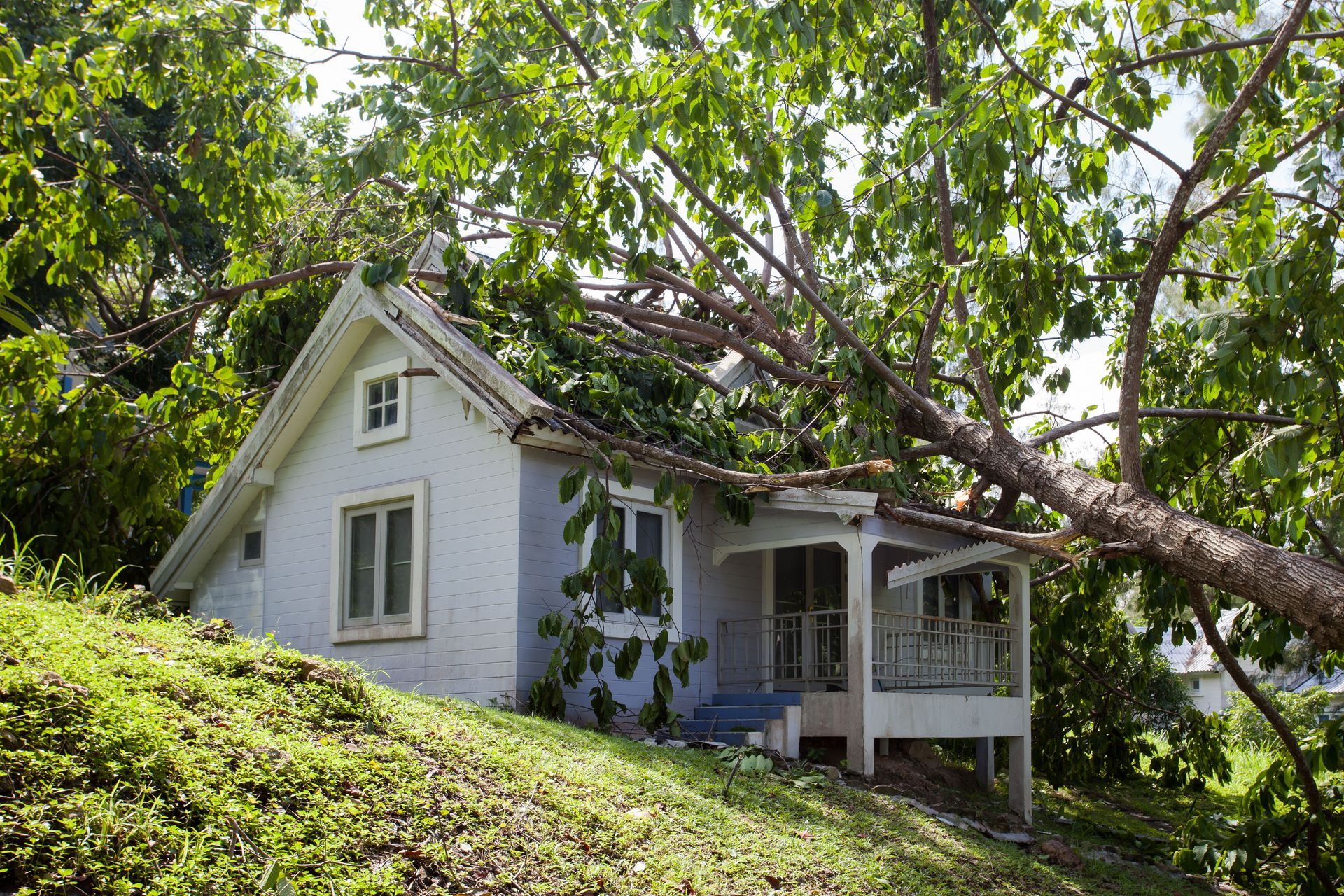
Severe weather events frequently wreak havoc on urban canopy structures, leaving trees badly damaged and physically unstable. Broken branches hanging loosely after high winds pose immediate hazards to vehicles, pedestrians, and nearby roofs. Leaning trunks often indicate compromised root systems or deep structural fractures that require immediate professional tree services to evaluate. Splitting bark and exposed interior wood act as open wounds that invite harmful wood-boring pests and opportunistic pathogens.
Storms frequently expose pre-existing internal decay that was previously hidden beneath healthy outer bark layers. A thorough evaluation determines whether a damaged tree can be safely stabilized through cabling and bracing or if total removal is necessary. Splitting tops, where dual trunks separate high up, are particularly unstable and frequently lead to major branch failure during subsequent storms. Engaging experts immediately after severe weather mitigates risk and protects overall property safety.
Proactive maintenance and seasonal pruning drastically lower the risk of storm-related failures before severe weather strikes. Structural trimming removes dead weight and opens up high-density canopies to allow wind to pass through with reduced resistance. Investing in post-storm cleanup and preventive care maintains both the visual appeal and long-term structural resilience of your valuable landscape trees.
Managing Overgrown Branches and Canopies
Uncontrolled growth creates major operational and safety challenges for surrounding structures, utility connections, and lawns. When heavy limbs grow toward power lines, they create dangerous electrical fire risks and cause severe neighborhood power disruptions. Dense canopies that are not pruned block natural sunlight from reaching underlying grass and gardens, severely stunting lawn growth. Additionally, overcrowded branches impede natural airflow, creating humid pockets that favor aggressive fungal infestations.
Strategic thinning techniques improve sunlight penetration, increase canopy ventilation, and correct overall structural balance without harming tree health. Unmanaged root systems expanding beneath driveways, sidewalks, and home foundations cause severe structural shifting and expensive repair bills. Qualified specialists evaluate root zones and implement root barriers or root pruning strategies to prevent costly infrastructure damage. Proactively managing canopy dimensions keeps outdoor spaces functional and aesthetically balanced.
Regular maintenance trims reduce the weight of heavy limbs and promote healthy, sustainable lateral growth patterns. Expert arborists utilize precise cuts that encourage quick wound sealing and prevent decay-causing insects from entering open tissues. Keeping trees properly scaled to their surrounding space ensures peaceful coexistence between natural elements and hardscape features.
Eliminating Severe Pest Infestations
Insect infestations quickly compromise tree health, causing rapid decline and branch dieback if left unchecked. Visible pests like aphids, caterpillars, and scale insects cause leaf curling, sticky sap residue, and premature defoliation. Distinct borer holes in the outer bark indicate invasive insects tunneling into internal vascular tissues, disrupting water and nutrient transport. Chewed leaves, webbing, and unexplained sawdust at the base of the trunk signal active infestations requiring immediate treatment.
Sudden changes in foliage color or sudden canopy dieback frequently stem from active insect damage underground or within trunk tissues. Comprehensive tree services provide accurate diagnoses and utilize targeted, environmentally responsible treatment methods to manage pest populations. Integrated pest management strategies control invasive insect colonies while protecting beneficial insects and surrounding soil health. Prompt professional treatment prevents invasive species from migrating to healthy trees across adjacent properties.
Routine monitoring catches pest activity early in the life cycle when targeted treatments are most effective. Improving overall soil quality, root hydration, and nutrient intake helps trees naturally withstand insect stress. Relying on professional expertise ensures safe chemical application and long-term protection for your valuable landscape plants.
Mitigating Major Property Safety Risks
Safety remains the top priority when managing large trees located near homes, walkways, and public roadways. Overhanging limbs positioned directly above rooflines, garages, or driveway parking spots present dangerous liability risks during high winds. Base decay, root rot, and hollowed trunks severely undermine structural stability, making tree failure unpredictable. Prompt attention from professional tree services ensures hazardous trees are assessed and managed safely according to local codes.
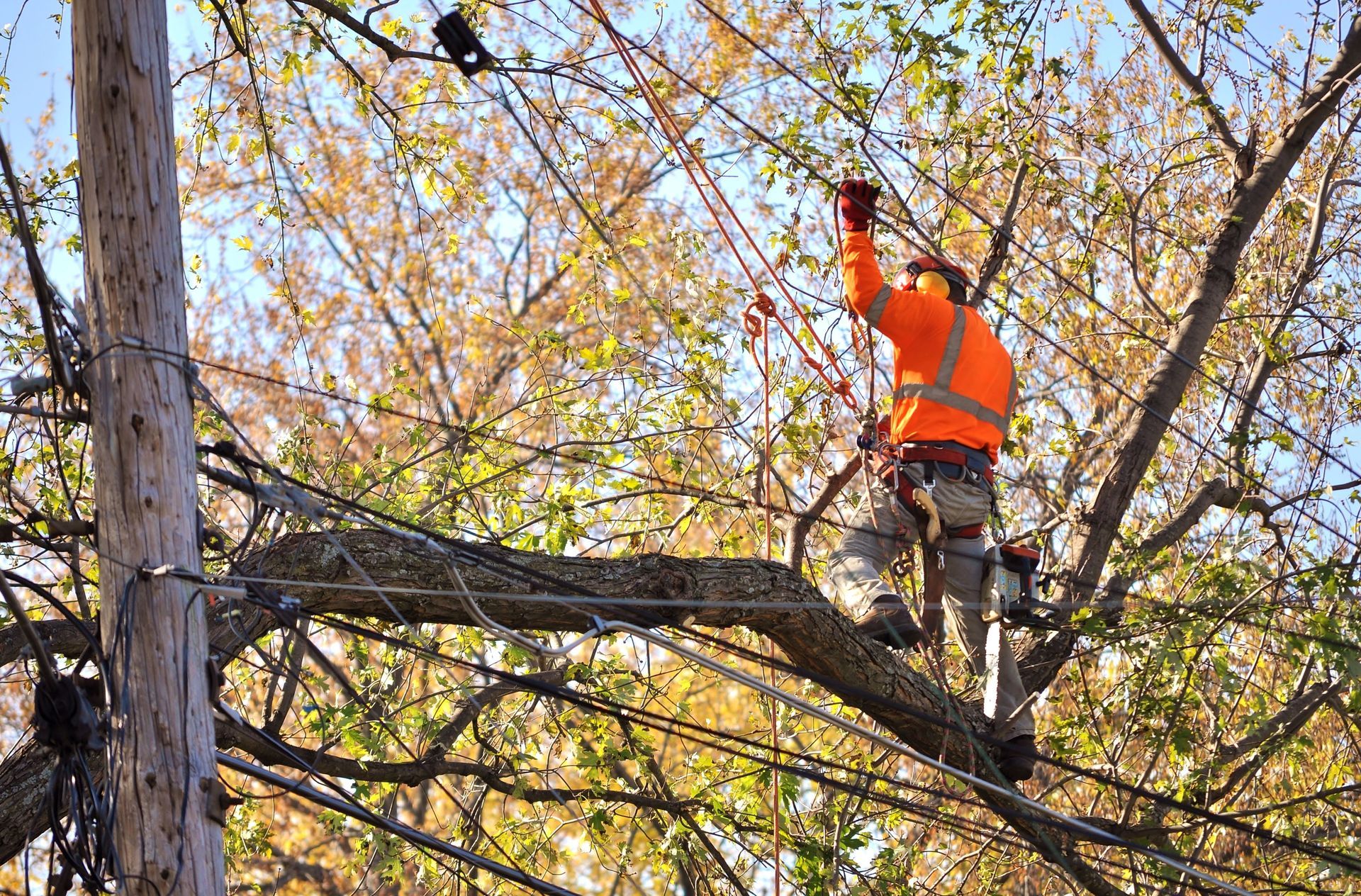
High-traffic areas require detailed risk assessments to balance plant preservation with public safety requirements. Technicians utilize specialized rigging techniques and heavy equipment to safely lower heavy limbs in tight residential spaces without damaging lawn structures or homes. Addressing hazardous limbs proactively prevents catastrophic emergency tree falls, protecting your family, neighbors, and property investments.
Certified arborists provide actionable risk evaluations and recommend practical solutions such as directional pruning, crown reduction, or complete removal. Strategic safety interventions eliminate immediate physical hazards while preserving overall aesthetic appeal whenever possible. Relying on experienced crews guarantees dangerous tree work is completed efficiently, safely, and in full compliance with municipal standards.
Addressing signs of tree decline, physical storm damage, overgrowth, pests, and safety hazards proactively keeps your property safe, healthy, and visually attractive. Partnering with certified tree services ensures timely interventions that prevent minor issues from turning into expensive property damage. Consistent maintenance safeguards structural integrity while adding long-term financial and aesthetic value to your real estate investment. For more information about the services that we offer, reach out to our incredible team at Ace Tree Services & Stump Grinding today!