June 1, 2026
Outdoor spaces naturally change over time, especially as seasons shift and weather impacts soil, plants, and surface materials. Without consistent care, small issues in lawns or landscapes can gradually grow into larger maintenance concerns that affect both appearance and functionality. In some cases, prolonged neglect may even lead to situations where tree removal becomes part of broader property management decisions. Staying ahead of these changes helps preserve a clean, safe, and well-balanced property environment.
This article highlights common signs that an outdoor space may benefit from professional maintenance support, from lawn health and planting areas to drainage and seasonal buildup. Identifying these patterns early can help prevent more extensive corrective work, including situations that may require tree removal as part of overall property care planning. Taking a proactive approach also helps reduce long-term strain on outdoor systems and supports more consistent property conditions.
1. Healthy Lawn Conditions
Assess Uneven or Patchy Grass Growth
Grass that grows unevenly or begins forming patchy areas often signals underlying soil or maintenance inconsistencies. These changes can affect the overall appearance of a yard and make it more difficult to maintain a consistent, healthy lawn surface. In some environments, long-term stress in surrounding vegetation can also contribute to conditions where tree removal may be considered as part of restoring balance to the property.
Monitor Thinning Turf Coverage
A noticeable reduction in turf density can make outdoor areas appear worn or neglected. Thinning grass may also reduce the lawn's ability to maintain uniform color and texture throughout the growing season. Over time, these conditions can indicate broader landscape stress that may require additional corrective care. Consistent monitoring helps prevent these conditions from progressing further.
Address Inconsistent Moisture Areas
Some lawns develop zones that retain too much water, while others dry out too quickly. These inconsistencies can make routine upkeep more challenging and impact the overall balance of the landscape. Left unaddressed, they may contribute to uneven growth patterns across surrounding plant life.
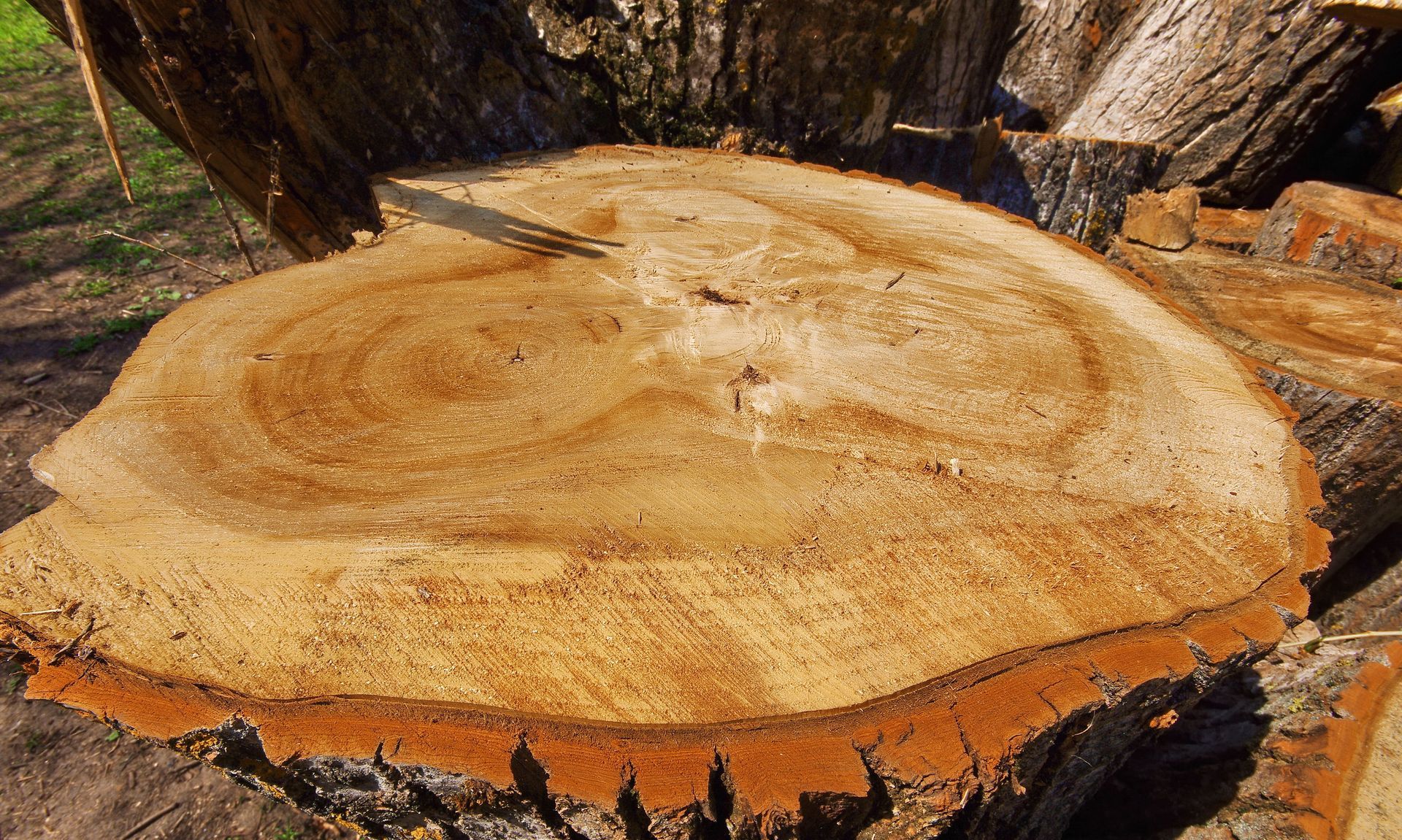
According to the University of Maryland Extension (2025), you should consider tree removal if one-third of the tree's interior is hollow or rotten. This condition typically indicates significant internal decay that can compromise the overall stability of the tree over time. In many cases, the structural weakness may not be visible from the outside, which makes regular inspection important for identifying hidden risks. Addressing these issues early can help reduce the likelihood of failure during periods of heavy wind or storm activity.
2. Stable Landscape Bed Conditions
Trim Overgrown Planting Areas
When shrubs, flowers, or decorative plantings grow beyond their intended shape, landscape beds can lose structure and visual clarity. Overgrowth can also make surrounding maintenance more difficult over time. In more advanced cases of unmanaged growth, tree removal may be considered to help restore usable space and landscape definition.
Track Reduced Seasonal Color
Landscape beds that once displayed consistent seasonal variation may begin to lose vibrancy or uniformity. This can result in less visual cohesion across outdoor spaces. These changes often develop gradually and may reflect underlying soil or maintenance needs. Regular observation can help identify shifts before they become more pronounced.
Refresh Mulch and Soil Breakdown
As mulch decomposes and soil shifts, planting areas may appear uneven or exposed. This can affect both appearance and the ability of beds to retain moisture effectively. Over time, these conditions may also influence the health of nearby vegetation.
3. Durable Hardscape Surfaces
Repair Uneven Paver Surfaces
Patios, walkways, and other paved areas can shift over time due to settling or weather conditions. Uneven surfaces may create trip hazards and reduce the usability of outdoor spaces. In some properties, surrounding landscape changes can also lead to conditions where tree removal becomes part of a larger stabilization effort.
Seal Gaps Between Hardscape Materials
Spaces forming between stones, bricks, or pavers can indicate movement in the base material. These changes can affect both appearance and long-term stability. When left unaddressed, they may continue to expand and require more extensive corrective work. Addressing early signs of movement can help preserve surface integrity.
Stabilize Retaining Wall Shifting
Retaining walls that begin to lean or separate may signal structural movement in the surrounding soil. Addressing these changes early helps maintain the integrity of the surrounding landscape design. Continued shifting can place additional stress on adjacent outdoor features.
4. Effective Drainage and Erosion Control
Resolve Standing Water After Rainfall
Persistent pooling in certain yard areas can indicate drainage challenges. Over time, standing water may also impact surrounding grass, soil, and planted areas. In severe cases of landscape imbalance, tree removal may be considered as part of correcting long-standing drainage strain.
Correct Soil Movement and Washout
Erosion can gradually remove soil from key areas of the landscape, especially on slopes or near water flow paths. This can lead to uneven ground and reduced stability in planted zones. Continued erosion often signals the need for broader landscape adjustments. Additional attention to grading and soil placement may help limit further loss.
Balance Disrupted Landscape
Changes in ground level or slope can affect how water moves across a property. When grading becomes uneven, it can create ongoing maintenance challenges across multiple outdoor areas. These shifts may also influence the health of surrounding plantings over time.
5. Managed Seasonal Debris
Clear Excess Leaf Accumulation
Leaves that build up across lawns and planting beds can interfere with regular upkeep and reduce the overall appearance of outdoor spaces if not addressed consistently. In heavily wooded environments, ongoing buildup may coincide with broader maintenance needs that include tree removal. Regular cleanup helps prevent long-term surface stress.
Remove Storm Debris Across Grounds
Branches, scattered materials, and general debris left after storms can affect both curb appeal and accessibility throughout a property. These conditions may also signal weakened surrounding vegetation that should be evaluated over time. Prompt cleanup helps maintain safe and usable outdoor areas.
Manage Seasonal Cleanup Demands
As seasons change, outdoor spaces often require more intensive cleanup to reset lawns, beds, and common areas for the next phase of growth or weather conditions. These transitions help maintain consistent property presentation throughout the year. Regular upkeep reduces the buildup of long-term maintenance challenges.
6. Maintained Commercial Properties
Standardize Maintenance Across Large Areas
Commercial and shared properties may develop uneven appearance standards when maintenance is not applied consistently across all zones. This can lead to visible differences in lawn quality and landscape presentation. Over time, these inconsistencies may require more coordinated corrective efforts.
Reduce High-Traffic Area Wear
Entrances, walkways, and common spaces often show wear more quickly due to frequent use. These areas typically require closer attention to remain presentable and functional. Without consistent upkeep, deterioration can spread to adjacent landscaped areas.
Balance Seasonal Presentation Changes
Large properties may experience noticeable shifts in appearance throughout the year, especially during seasonal transitions that affect plant growth and ground conditions. These changes can influence overall curb appeal and property function. Regular maintenance helps stabilize these variations.
Outdoor properties benefit from consistent care that preserves lawn health, supports landscape structure, maintains hardscape integrity, improves drainage performance, and keeps seasonal upkeep manageable throughout the year. Staying ahead of early changes helps maintain a balanced, functional, and well-presented outdoor environment across both residential and commercial spaces.
To learn more about comprehensive outdoor property services, including lawn care, landscape maintenance, hardscape installation, seasonal cleanup, and snow and ice management, Ace Tree Services & Stump Grinding provides year-round support designed to keep outdoor spaces organized, functional, and visually consistent.