July 30, 2026
Trees add undeniable beauty, shade, and property value to any residential landscape. However, when left unmanaged, overhanging branches and expanding root systems can quietly evolve into severe structural hazards. What starts as a minor inconvenience like dropping leaves can quickly turn into compromised roofing shingles, deteriorated exterior siding, or an eroded lawn. Neglecting these early warning signs often leads to extensive structural vulnerability, allowing moisture and pests to penetrate your home's envelope unchecked.
Protecting your investment requires understanding how overgrown foliage interacts with your home's exterior shell. Managing these natural assets demands ongoing vigilance and professional intervention. Uncontrolled limb growth can destabilize surrounding structures during high winds, transforming innocent canopy growth into immediate danger. Homeowners across the country recognize the value of proactive care to safeguard their properties against costly physical repairs. According to Zipdo, 62% of U.S. homeowners hire a tree service at least once a year. By engaging expert tree services on a routine basis, you can effectively balance property aesthetics with long-term structural safety.
Structural Damage to Roof Systems and Gutters
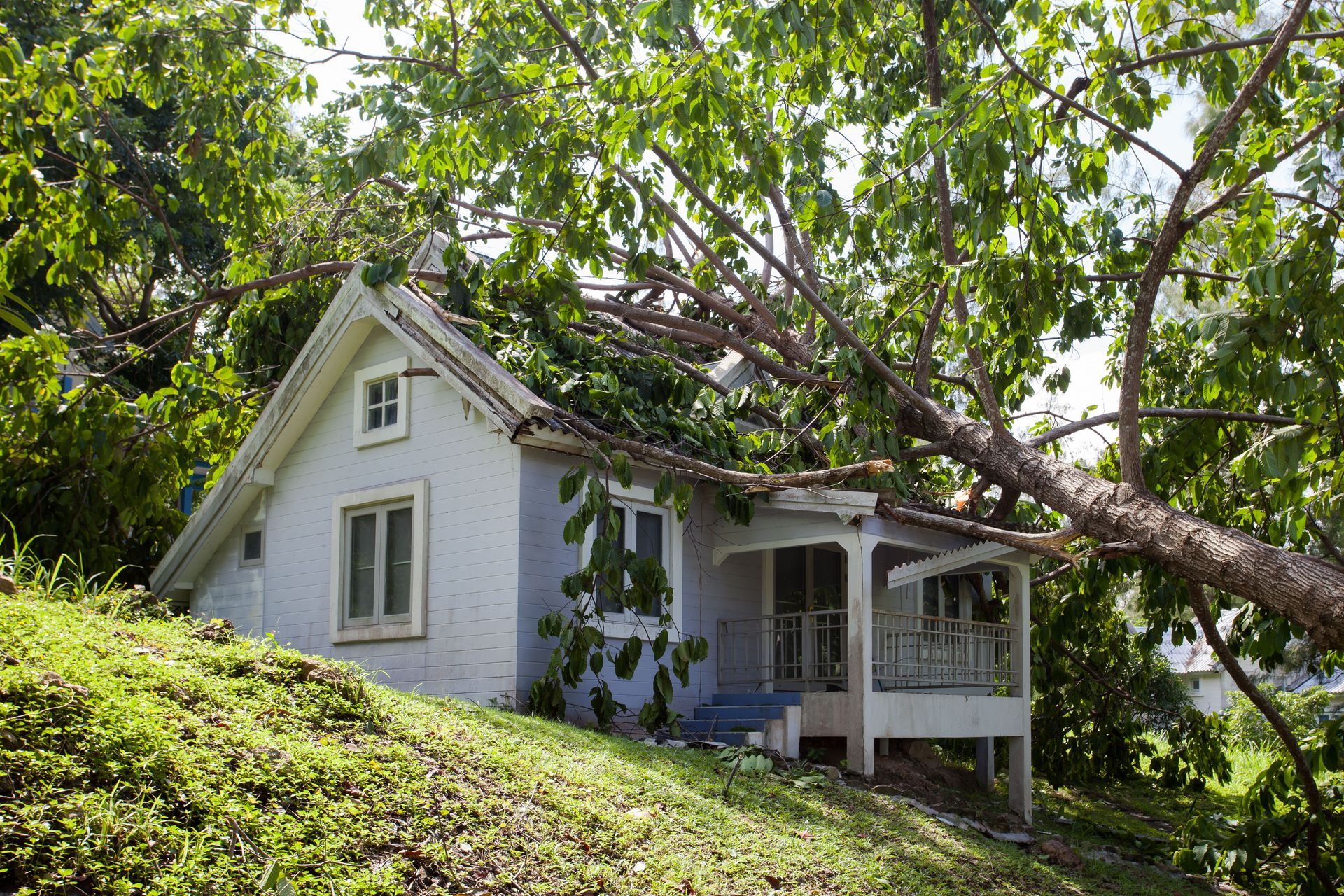
Your roof serves as your primary defense against weather elements, but overhanging limbs can compromise its integrity. When heavy branches rest directly on shingles, wind-driven movement acts like sandpaper, stripping away protective asphalt granules and exposing underlying layers to moisture. Over time, constant friction causes cracked, lifted, or completely dislodged shingles, opening pathways for severe water leaks. During intense storms, heavy limbs can snap under extreme wind pressure, resulting in catastrophic impact damage to roof decking, rafters, and interior ceilings.
Beyond direct branch impact, overgrown canopies shed continuous streams of organic debris. Fallen leaves, twigs, and seed pods gather in valley flashings and gutters, creating dense blockages that hinder proper drainage. Clogged gutters cause heavy rainwater to back up underneath the roofline, leading to wood rot along fascia boards and sub-roofing decks. Furthermore, dense shade created by low-hanging limbs traps moisture on shingle surfaces. This damp environment fosters mold, algae, and moss growth, which accelerates shingle degradation and leads to expensive structural repairs.
Siding Deterioration and Exterior Abrasion
The vertical siding of your home is just as vulnerable to untamed tree growth as your roof. As branches extend toward outer walls, wind causes them to rub continuously against vinyl, wood, stucco, or fiber-cement siding. This constant physical contact strips protective finishes, scratches paint, and gouges deep grooves into wall panels. Over prolonged periods, these surface abrasions weaken the exterior shell, rendering your home far more susceptible to severe weather exposure.
Dense foliage held tightly against home exteriors also traps high humidity levels along wall surfaces. Without adequate sunlight and airflow to dry out exterior materials, persistent moisture promotes timber rot, paint peeling, and fungal growth. Water can seep into hairline cracks around window frames and panel joints, damaging interior wall insulation and drywall. Partnering with licensed tree services allows homeowners to establish a safe clearance zone between wall surfaces and heavy branches, ensuring sufficient ventilation while protecting exterior finishes.
Disruptions to Yard Health and Soil Ecosystems
An overgrown tree canopy creates challenges for surrounding lawns and lower-tier landscaping. Dense, unpruned canopies block essential sunlight from reaching turfgrass and ornamental plants below. Deprived of solar energy, grass struggles to perform basic photosynthesis, resulting in patchy, yellowing, or completely dead lawns. This imbalance leaves large areas of exposed soil that are easily washed away during heavy rainfall, ruining your landscape layout.
Below the surface, invasive root systems actively compete with smaller plants for critical ground nutrients and moisture. Expanding roots often push upward, cracking concrete driveways, lifting brick pavers, and destabilizing stone retaining walls. Additionally, extensive root systems alter natural ground contours and soil composition, contributing to severe soil compaction and poor surface drainage. Standing water puddles then collect around tree bases, drowning lawn turf and creating ideal conditions for soil erosion near home foundations.
Elevated Pest Activity and Structural Vector Pathways
Overgrown trees near your residence act as physical highways for nuisance wildlife and destructive insects. When upper limbs touch or overhang rooflines, they grant squirrels, raccoons, mice, and rats easy access to gutters, vents, and roof edges. Seeking shelter, these animals can chew through wood, plastic vents, and electrical wiring, creating significant fire hazards and structural destruction inside attics and wall cavities.
Insects also thrive in dense foliage that makes contact with home walls. Carpenter ants, termites, and wood-boring beetles use leaning limbs to bypass chemical soil barriers, migrating straight onto wooden roof framing, eaves, and siding trim. Furthermore, bird populations frequently nest in untrimmed canopies resting against homes. Accumulated bird droppings damage painted surfaces and carry corrosive acids that degrade building materials over time. Scheduling regular canopy thinning through professional tree services eliminates these physical bridges and helps keep dangerous pests away from your living space.
Escalating Financial Consequences of Neglect
Ignoring tree maintenance often leads to significant long-term financial consequences. Minor roof repairs caused by falling branches can quickly escalate into full structural replacements if hidden water leaks rot internal ceiling joists. Similarly, replacing moisture-damaged exterior siding across an entire facade costs substantially more than routine trimming. Homeowners who delay tree maintenance risk compounding structural damages that multiply initial repair budgets exponentially.
Unmanaged trees can also severely impact property value and curb appeal. Overgrown landscapes appear neglected, discouraging potential buyers and lowering appraisal estimates during real estate sales. Beyond aesthetic losses, severe storm damage caused by falling deadwood can trigger high insurance deductibles or potential policy non-renewals if poor maintenance is cited as a contributing factor. Investing early in comprehensive tree services remains the most cost-effective strategy to preserve your property's value and prevent unexpected financial burdens.
Proactive Tree Management and Mitigation Strategies
Preventing structural damage from overgrown trees requires an organized, proactive management approach. Routine pruning removes deadwood, thins heavy outer canopies, and corrects structural growth defects before limbs threaten building walls. Certified arborists can crown-raise low branches to improve ground clearance while shaping upper canopies to withstand heavy storm winds safely. Modern tree services provide systematic care plans tailored to species growth rates and property boundaries.
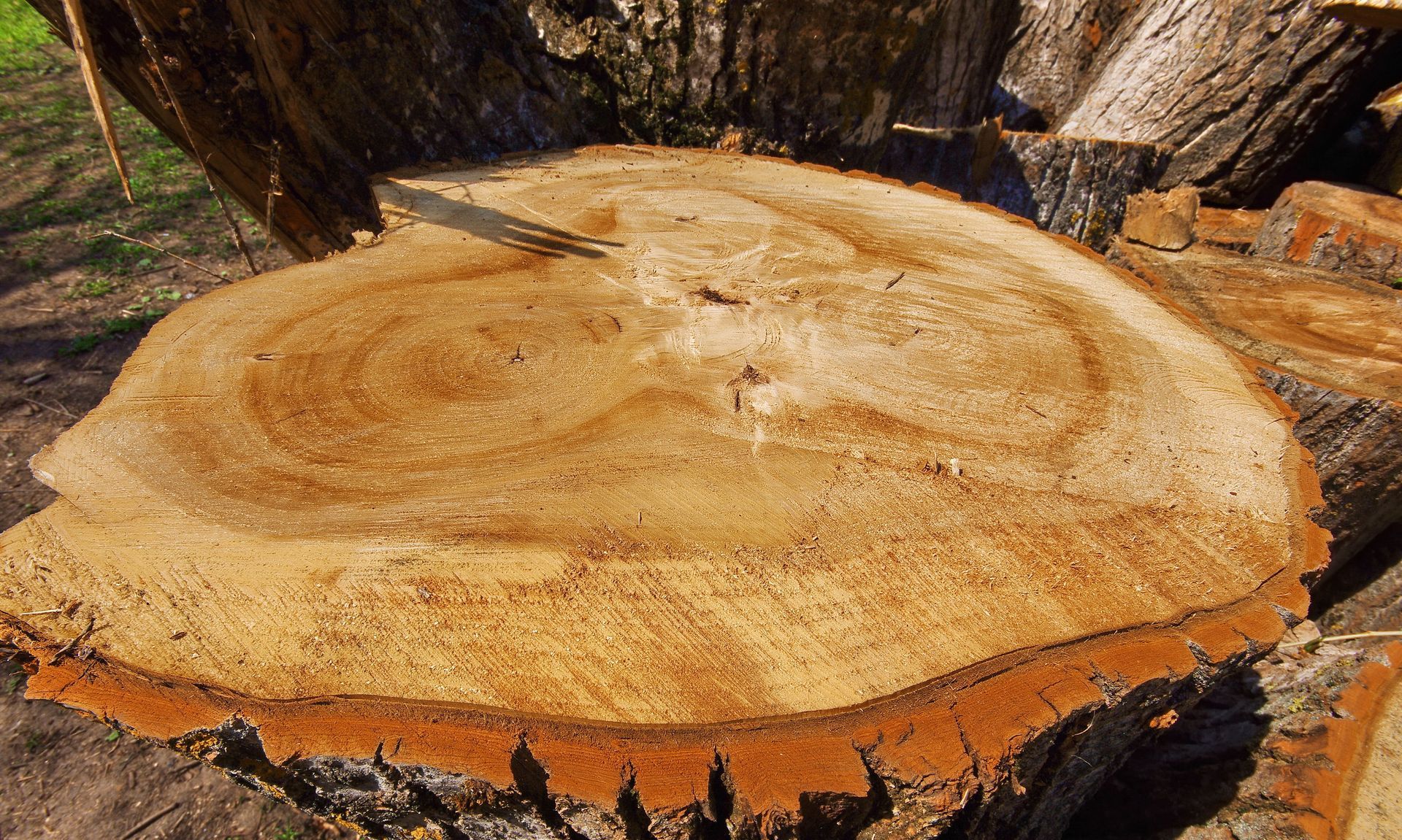
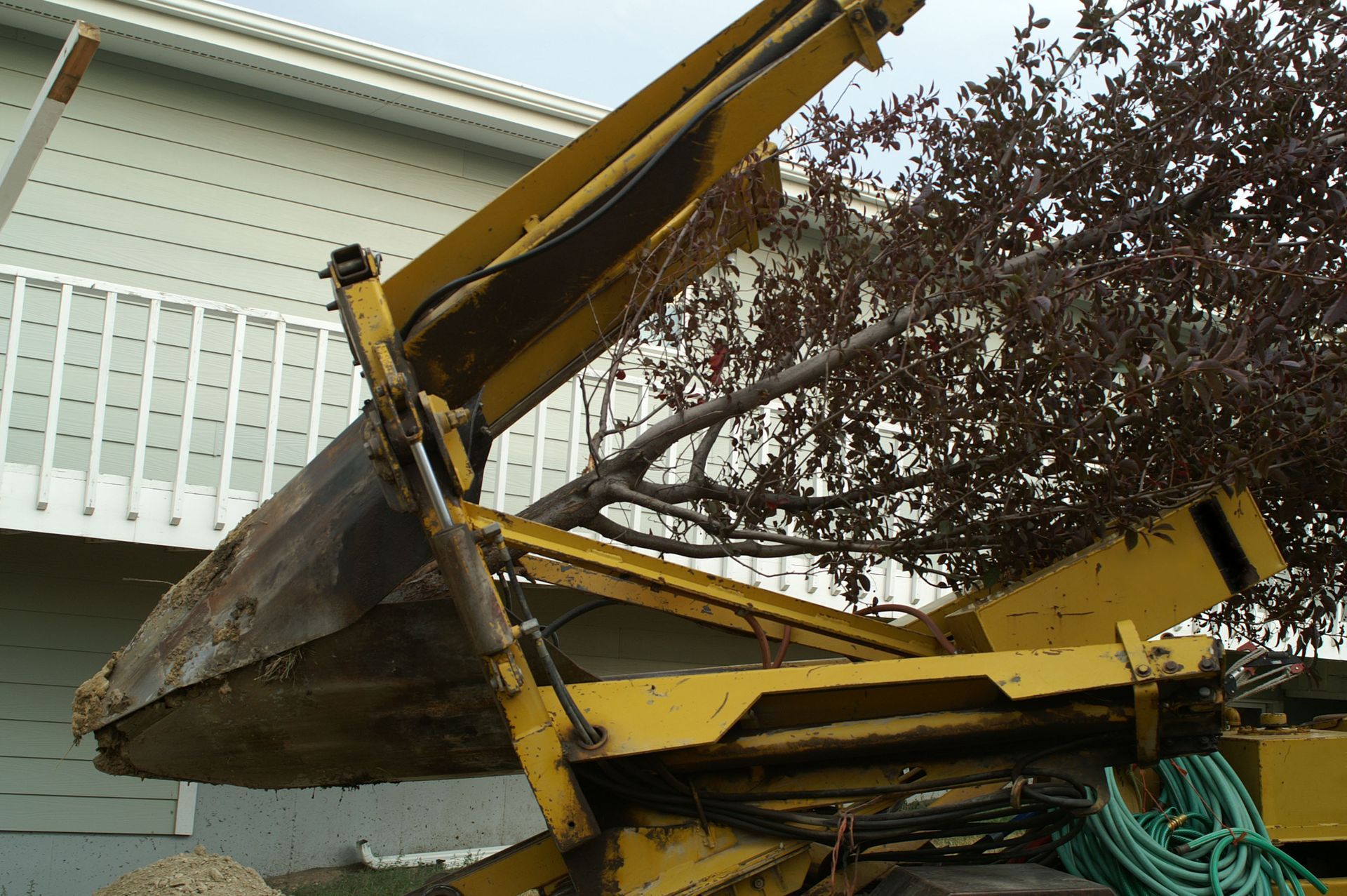
In cases where a tree is structurally unsound, dying, or planted too close to home foundations, full removal may be the safest course of action. Removing hazardous trees protects nearby structures while allowing surrounding turfgrass to recover. Physical barriers, such as gutter guards and root barriers, can further safeguard your investment against debris accumulation and root intrusion. By taking a proactive approach to property maintenance, you ensure that your landscape remains a safe, attractive asset rather than a structural liability.
Overgrown trees pose genuine risks to your roof, siding, and yard if left unmanaged. By recognizing early signs of physical abrasion, trapped moisture, and root intrusion, homeowners can address potential hazards before they demand catastrophic structural repairs. Establishing routine maintenance protocols preserves the health of your landscape while securing your primary financial investment against severe storm events and pest incursions. Taking quick action against overhanging branches ensures long-term property safety and enhances exterior curb appeal. Partnering with certified arborists eliminates the guesswork of canopy thinning, hazard identification, and safe branch removal near delicate structures. Proactive management ultimately provides complete peace of mind through every season. When you need professional guidance and precise execution to protect your property, trust the experienced specialists at Ace Tree Services & Stump Grinding to deliver safe, effective, and reliable solutions.