September 2, 2026
Addressing tree stumps in your yard can be essential for both aesthetic and safety reasons. When trees are removed, deciding between stump grinding and stump removal becomes a critical choice. This article will guide you through the pros and cons of each option, helping you make an informed decision for your property. Tree stumps, when left unattended, can become unsightly and pose potential safety hazards. Understanding the nuances of stump grinding and removal will assist you in maintaining the health and aesthetics of your landscape. For property owners who are unsure which approach fits their yard, local tree companies can assess the stump, surrounding features, and future landscaping plans before recommending a method.
Understanding Stump Grinding
What is Stump Grinding?
Stump grinding involves the use of specialized machinery to erode tree stumps down below ground level. This process leaves the root systems intact, ensuring there is no need for major excavation. Stump grinders are used to pulverize the stumps into small chips, which can be used as mulch for your garden. This method is generally less intrusive than removal, preserving the landscape around the tree's former location. Given the technique's efficiency, stump grinding is often favored in residential settings.
One of the notable advantages of stump grinding is the absence of extensive digging, which means less disruption to the ground. This can be particularly beneficial in urban areas where space is limited, and preserving the surrounding landscape is crucial. Additionally, stump grinding is a faster option compared to complete removal, which requires more labor-intensive work. By grinding the stump, the site can be quickly repurposed without the need for replanting. It's an expedient choice for those looking to maintain the current landscape aesthetics. Many local tree companies recommend grinding when homeowners want a faster solution with limited disruption to the surrounding yard.
Pros of Stump Grinding
Stump grinding offers several advantageous features for property owners. Firstly, it is highly efficient, making quick work of even large tree stumps. Secondly, stump grinding is generally considered a cleaner process because it doesn't involve massive digging. Another significant benefit is the minimal impact on the surrounding landscape, allowing other vegetation to remain unaffected. Because the stump is turned into mulch, it can positively contribute to soil health by providing organic material.
This method is particularly well-suited for properties where maintaining an existing landscape is a priority. Stump grinding minimizes the risk of damaging nearby plants and structures, ensuring a seamless continuation of the garden's aesthetic. With the ability to reuse the wood chips as mulch, owners can also capitalize on an eco-friendly solution. These benefits make stump grinding an attractive choice for those who value efficiency and environmental sustainability. Additionally, according to Simple Spring, emergency tree services and stump removal, which includes grinding, form about 24% of the tree removal business, underlining its importance. Experienced local tree companies can also determine whether grinding depth and site conditions make this approach appropriate for a particular property.
Cost Considerations for Stump Grinding
Evaluating the cost of stump grinding involves several key factors, including the size of the stump, accessibility, and location on the property. Typically, stump grinding is priced per inch of the stump's diameter, often resulting in a cost-effective solution for medium to small-sized stumps. Larger stumps or those located in difficult-to-reach areas can incur higher fees due to the increased labor and resources required. While initial costs may be lower than removal, repeated grinding services could add up if root regrowth occurs.
Other cost considerations include the potential for additional services, such as mulch removal or further landscaping work following the grinding process. Engaging with multiple service providers can give a range of estimates, helping reach a decision that balances budgetary needs with property aspirations. Consulting with a professional and obtaining a tailored quote is advisable to avoid unexpected expenses. Understanding the market's average prices allows property owners to budget effectively for stump grinding services. Comparing estimates from local tree companies can also help homeowners understand how stump size, access, cleanup, and follow-up landscaping may affect the final price.
Understanding Stump Removal
What is Stump Removal?
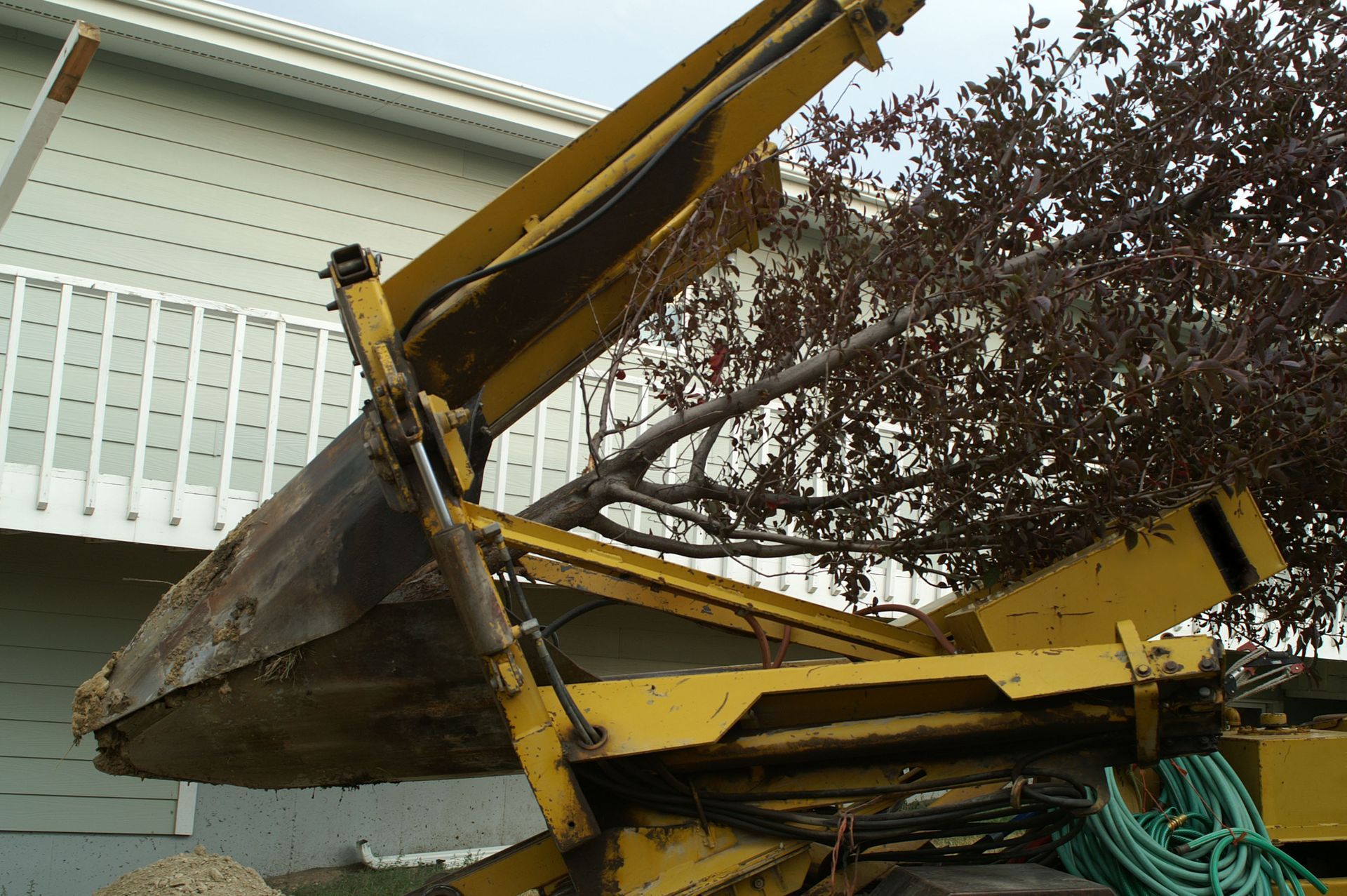
Stump removal involves the complete extraction of a tree stump and its root system from the ground. This process is more intensive than grinding, often requiring the use of heavy machinery to uproot the stump entirely. By removing both the stump and roots, this method eradicates any possibility for future growth in the immediate area. Stump removal is best suited for areas where new planting or development is anticipated. The technique ensures a clean slate, offering greater landscaping flexibility.
This method involves digging around the stump and cutting through the root system. Specialized tools, such as backhoes or excavators, may be necessary depending on the stump's size and the depth of its roots. The complete removal process can be labor-intensive and time-consuming, generally taking longer than grinding. However, it offers the assurance that no regrowth will occur, eliminating ongoing maintenance concerns. Thus, stump removal is an ideal choice for property owners planning significant changes to their landscape. For larger or more complicated projects, local tree companies can evaluate the root spread and select equipment suited to the property.
Pros of Stump Removal
The primary advantage of stump removal is the complete elimination of the entire stump and root system. This ensures no regrowth can occur, allowing for new construction or planting without concerns about interference from old roots. Additionally, removing the stump thoroughly ensures that no pests or diseases hidden in the old roots can affect new vegetation. Stump removal is advantageous when repurposing land for gardening, building, or other purposes as it provides a clear plot without hindrance.
This process also removes the need for future maintenance associated with residual roots and potential underground issues. Property owners appreciate the enduring nature of the solution, as it leaves behind a surface ready for other uses. For long-term benefits, this option is excellent for ensuring the property remains free from remnants of the previous tree. Understanding these advantages can help property owners plan more effectively for future landscaping projects, making the decision-making process straightforward.
Cost Considerations for Stump Removal
The cost for stump removal can vary significantly based on numerous factors, such as the stump's size, accessibility, and the extent of the root system. With typical costs higher than grinding due to the use of specialized equipment and increased labor, budgeting for stump removal requires careful consideration. The necessity of restoring the landscape post-removal can further drive up expenses, making it a potentially costly undertaking. Nevertheless, the long-term benefits may justify the investment for property owners seeking a clean, obstruction-free yard.
Service providers may offer various pricing structures, including fixed or variable rates depending on particular project needs. While the initial costs appear steep, consider the long-term savings from avoiding future maintenance costs associated with grinding. Consulting with tree care specialists can provide valuable insights into choosing the most cost-effective option. Proper understanding and planning are key to effectively balancing upfront costs with future property aspirations. Quotes from local tree companies can clarify whether excavation, debris hauling, grading, or soil replacement is included in the total project cost.
Choosing between stump grinding and stump removal depends on your property’s condition, budget, and future landscaping plans. Stump grinding is often the better choice when you want a faster, less disruptive solution that preserves the surrounding landscape, while complete stump removal may be more appropriate when you need to eliminate the root system entirely for new construction, planting, or major yard renovations. Considering factors such as cost, safety, environmental impact, accessibility, and long-term maintenance can help you determine which option best fits your needs. Working with experienced tree care professionals can also help you make an informed choice and complete the project safely and efficiently. Call Ace Tree Services & Stump Grinding today for more.